• Year

    2026

  • Category

    Featured Projects, Museums and Galleries, Specialist Lighting Design

  • Client

    Durham County Council

  • Location

    Durham

  • Project Value

    £17m

  • The Light – Former Durham Light Infantry Museum and Art Gallery

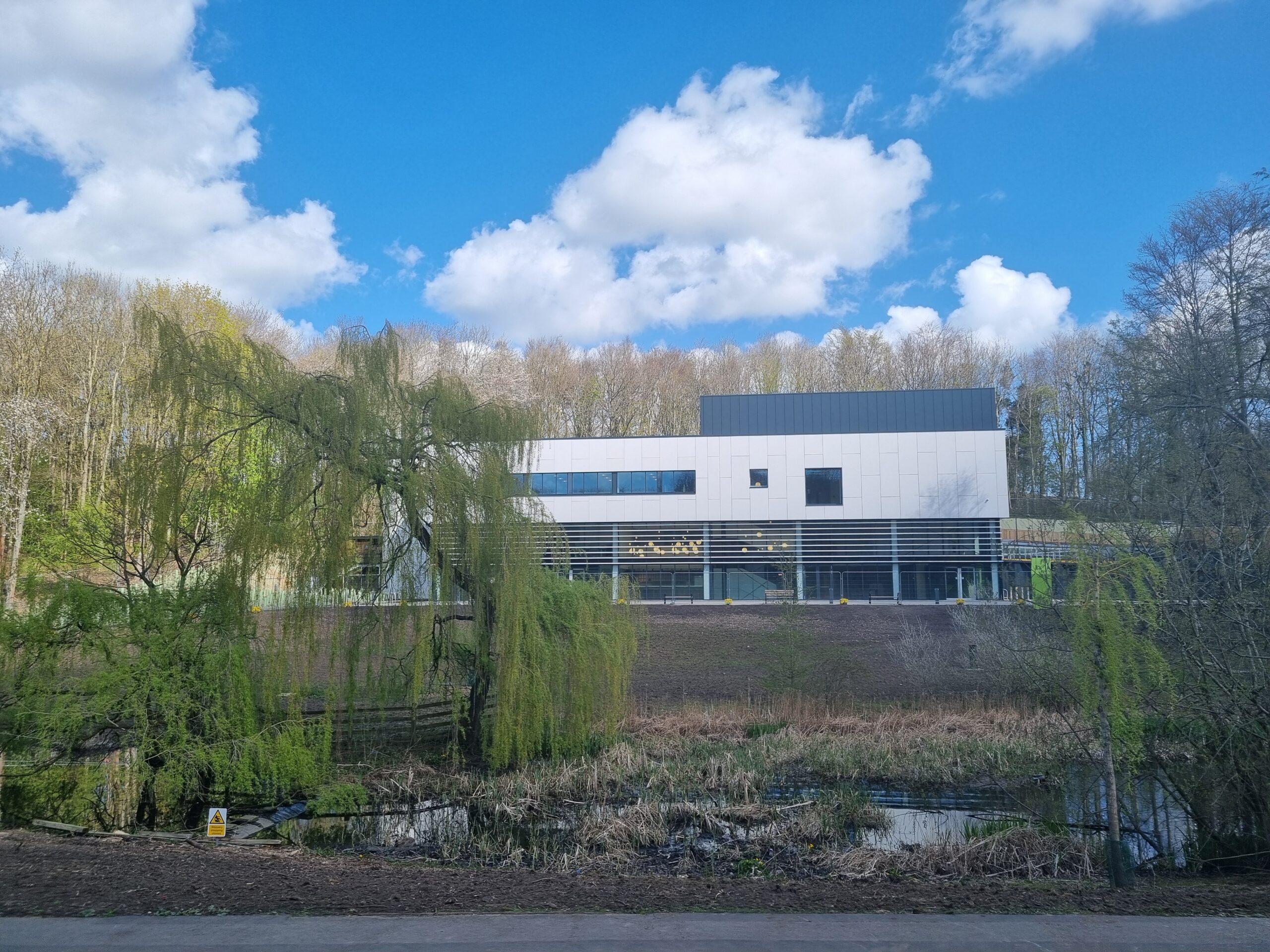
    TGA worked as part of a multidisciplinary team on the £17m refurbishment and extension of the Durham Light Infantry Museum and Gallery which doubled its’ floor space to display a permanent collection as well as creating new gallery accommodation for loan items and travelling exhibits from national and international galleries.

    Project Summary

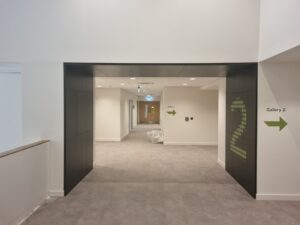
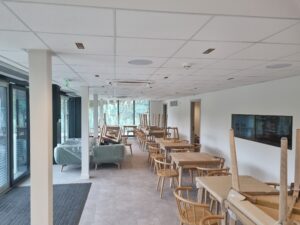
    The development houses a permanent collection displaying items from the Durham Light Infantry Regiment’s history with some items dating back to the 1750. As well as new Gallery space for the DLI Exhibition, new state of the art Whitebox gallery accommodation for national and international events will be included within the new build extension areas. The building houses conference facilities, a destination restaurant, café facilities and local artist space.

    The building is situated within the densely wooded area North of the city on the edge of the Aykley Wood nature reserve and as such ecology plays a large part in the external works. With a sympathetic external lighting installation which is mindful of the local ecology whilst maintaining a presence as part of the night-time economy. The lighting also seeks to promote the use of the large terrace to the front of the building and woodland walks to the rear in a safe and inclusive manner.

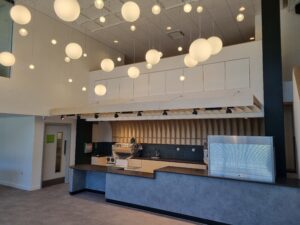
    Whilst our in-house lighting design team worked closely with the landscape architect, project architect, interior designers and exhibition team to seamless incorporate the lighting into the respective visions. At the heart of the building within the new three-storey atrium space a custom designed lighting feature hangs to link all areas of the building together and to provide a statement centrepiece. It also doubles as the shop and retail lighting with adjustable spot-lights mingled in with decorative copper globes.

    The galleries include highly adaptable lighting systems that deliver not only a high degree of energy efficiency but with a colour rendering suitable for high end gallery installations. The lighting installation is also track mounted to allow full flexibility in the positional sense. Individual control of the gallery lighting is via a wireless Bluetooth system that allows each light source to be tuned to suit the object it is specifically illuminating, ensuring light spill is minimised and focused on the installation.

    TGA’s Building Performance Team worked closely with the client and the wider design team to identify means by which energy use within the building, and associated carbon emissions, can be minimised. Supporting efficient operation and the project’s sustainability ambitions through application of the energy hierarchy, the team informed early decisions on orientation and layout to reduce energy demand, optimise solar gain and maximise daylight.

    The water services strategy incorporates a cold-water storage tank and booster set to maintain consistent pressure, with a check meter for consumption monitoring. Domestic hot water is provided via electric point of use heaters to minimise distribution losses, with Thermostatic Mixing Valves ensuring safe outlet temperatures. Above ground drainage systems are designed to deliver reliable and hygienic wastewater removal.

    Heating, cooling, and ventilation are provided via a coordinated building services strategy centred on a Variable Refrigerant Flow (VRF) system, enabling simultaneous heating and cooling with heat recovery. Environmental control within gallery and exhibition spaces is achieved using Air Handling Units with DX cooling, trimming coils, and steam humidification to maintain the temperature and humidity conditions required for Government Indemnity Scheme (GIS) compliance, while back of house areas are served by electric heating and dedicated extract systems. All systems are integrated via a central Building Management System to support efficient, coordinated operation.

    The building has a dedicated substation which in turn feeds a low voltage system strategically located throughout to supply the various load centres. Dedicated server rooms with UPS battery back ups, are provided to enable high speed data transfer and increased resilience throughout the building.

    The various gallery spaces are served via their own dedicated distribution boards to allow for modification and fit out to suit both new and static exhibitions without interruption to the adjacent spaces. All galleries are provided with both overhead and underfloor low voltage power outlets to suit individual exhibits or art installations, offering a completely flexible and bespoke solution.

    The building features a state-of-the-art composite security system which has been designed in line with Government Indemnity Scheme (GIS) requirements.

    The galleries include highly adaptable lighting systems that deliver not only a high degree of energy efficiency but with a  colour rendering suitable for high end gallery installations. The lighting installation is also track mounted to allow full flexibility in the positional sense. Individual control of the gallery lighting is via a wireless Bluetooth system that allows each light source to be tuned to suit the object it is specifically illuminating, ensuring light spill is minimised and focused on the installation.

    The building is set within the wooded grounds of Aykley Heads and the external lighting is subdued in nature to suit the surroundings. Lighting columns and bollards combine to guide visitors up to the main entrance on the East of the building.

    Electric Vehicle charging points are installed to the main car park adjacent to the main access road. This safe and secure surface car park is covered by CCTV and illuminated discreetly in keeping with the natural surroundings.

    A dedicated roof mounted plant compound was constructed to house the requirement equipment. A new photovoltaic system was also installed on the roof to reinforce the building’s green credentials.

    The construction works completed in April 2026 and gallery fitout is now underway ready for opening in Summer 2026 with new temporary exhibitions unveiled alongside the permanent collections.

    Want To
    Discuss A Project?

    Testimonials

    Contact Us